

 中文简体
中文简体In the modern quest for eco-friendly living, the humble tableware we choose plays a significant role. As a leading manufacturer nestled in Anji County, Zhejiang Province, the "Bamboo Town of China," Anji Aoli New Material Technology Co., Ltd. understands this deeply. We are committed to crafting premium disposable bamboo products that blend environmental responsibility with everyday convenience. Among these, the wooden fork stands out as a simple yet powerful symbol of sustainable dining. This guide delves into the world of wooden forks, exploring their benefits, varieties, and the thoughtful considerations behind choosing them.
Why Choose a Wooden Fork Over Plastic?
The shift from plastic to biodegradable alternatives is more than a trend; it's an environmental imperative. Disposable plastic cutlery contributes massively to pollution and takes centuries to decompose. In contrast, wooden forks, especially those made from bamboo like ours, offer a closed-loop, sustainable solution. They are derived from rapidly renewable resources and break down naturally, returning to the earth without leaving harmful microplastics behind. Choosing a wooden fork is a direct vote for a healthier planet.
Environmental Impact Comparison
The difference between plastic and wooden utensils is stark. While plastic forks are derived from fossil fuels and persist in landfills and oceans, wooden forks come from a renewable biomass and are fully compostable.
| Aspect | Plastic Fork | Wooden Fork (Bamboo) |
| Raw Material | Petroleum (Non-renewable) | Bamboo (Rapidly renewable grass) |
| Decomposition Time | 450+ years | 3-6 months in commercial compost[1] |
| End-of-Life Outcome | Microplastic pollution, landfill waste | Biodegrades into organic matter |
| Carbon Footprint | High (from extraction & manufacturing) | Low to Neutral (bamboo absorbs CO2 as it grows) |
Practical User Experience
Beyond ecology, the user experience is paramount. Wooden forks provide a sturdier, more authentic feel compared to flimsy plastic. They don't warp with heat, making them ideal for hot foods, and they offer a neutral taste that doesn't interfere with your meal.
- Sturdiness: Bamboo wood is naturally strong, offering reliable performance for various foods.
- Heat Resistance: Unlike some plastics, they maintain integrity with warm dishes.
- Sensory Appeal: The natural texture and grain enhance the dining aesthetic.
Exploring the Different Types of Wooden Forks
Not all wooden forks are created equal. The material and design dictate their best use, durability, and environmental footprint. As a company leveraging Anji's rich bamboo resources, we specialize in bamboo-based products, which offer exceptional qualities.
Bamboo Forks: The Premium Standard
Bamboo is a grass, not a tree, making it one of the fastest-growing plants on Earth. This grants it superb sustainability credentials. Forks made from bamboo, like those produced by Anji Aoli, are remarkably strong, lightweight, and have a smooth, splinter-free finish. They represent the pinnacle of eco-friendly disposable cutlery.
Birchwood and Other Hardwood Forks
While birchwood is another common material for disposable cutlery, it's insightful to compare it with bamboo. Birch is a slow-growing hardwood, whereas bamboo's growth cycle is significantly shorter, offering a quicker renewable turnaround.
| Characteristic | Bamboo Fork | Birchwood Fork |
| Growth Cycle | 3-5 years to maturity | 20+ years for a harvestable tree |
| Natural Density & Strength | Very high tensile strength | Dense and strong, but can be brittle |
| Water Resistance | Naturally more resistant | Can soften if soaked for prolonged periods |
| Typical Finish | Very smooth, fine grain | Distinct grain pattern, can be slightly rougher |
Key Considerations for Buyers and Businesses
Whether you're a consumer looking for sustainable options for a picnic or a business owner sourcing catering supplies, understanding what defines a quality product is crucial. Here are the main factors to consider.
Durability and Use Cases
A common question is about the robustness of wooden cutlery. Are wooden forks strong enough for steak? The answer depends on the design and material. High-quality, thicker-gauge bamboo forks can handle denser foods adequately, though they are typically designed for general use. For daily meals, salads, cakes, and pasta, they are perfectly capable. For very hard or tough foods, a reusable utensil might be more appropriate. Understanding the best wooden forks for catering involves looking for consistent thickness, a lack of cracks or splinters, and a design that balances elegance with function. For catering, durability during transport and use is key, making sturdy bamboo forks an excellent choice.
Sustainability and Certifications
True sustainability goes beyond the material itself. It encompasses responsible forestry, chemical-free processing, and credible certifications. When evaluating biodegradable wooden fork options, look for:
- FSC (Forest Stewardship Council) Certification: Ensures wood comes from responsibly managed forests.
- Home or Industrial Compostable Certification: (e.g., ASTM D6400, EN 13432) Verifies the product will break down in a specific timeframe.
- Non-Bleached, Chemical-Free: Natural color indicates no chlorine bleaching, making them safer and more eco-friendly.
Anji Aoli's products, born in the pristine environment of Anji, are made from high-quality natural bamboo using advanced technology that adheres to strict national quality standards, aligning with these green principles.
Cost-Effectiveness Analysis
The initial price of wooden forks is often higher than plastic. However, a wooden fork price comparison should factor in the total cost, including environmental externalities. For businesses, offering eco-friendly cutlery can enhance brand image, attract environmentally conscious customers, and potentially comply with increasing regulations on single-use plastics. The long-term brand value and customer loyalty gained can far outweigh the slight upfront cost difference.
Creative and Practical Uses for Wooden Forks
Their utility extends far beyond just being an eating tool. Their natural look and versatility open doors to numerous applications.
Beyond the Plate: Crafts and Gardening
- Plant Labels: Write herb or vegetable names on the handle and stick them in garden soil.
- DIY Art Projects: Use them as structural elements in model building or mixed-media art.
- Compost Bin Aerators: A handful of broken-down forks can help create air pockets in your home compost pile.
Eco-Friendly Event Planning
For weddings, parties, or corporate events, wooden forks add a touch of rustic elegance. Pairing them with other sustainable items like our disposable bamboo chopsticks or four-in-one meal kits creates a coherent, responsible dining experience for guests. They answer the need for eco-friendly disposable cutlery for parties perfectly, combining functionality with a reduced environmental footprint.
Caring for and Disposing of Wooden Forks Responsibly
To maximize their environmental benefit, proper end-of-life handling is essential.
Optimal Disposal: Composting
Wooden forks are compostable. For home composting, break them into smaller pieces to speed up decomposition. Ensure your compost pile has a good balance of greens and browns and maintains adequate moisture. In industrial composting facilities, they will break down efficiently within a few months[1].
A Note on Reusability
While designed as single-use from a hygiene standpoint in commercial settings, a sturdy wooden fork can be gently washed and reused a few times at home for picnics or packed lunches, further extending its life cycle before composting.
Frequently Asked Questions (FAQs)
1. Are wooden forks really better for the environment than plastic?
Yes, unequivocally. Wooden forks, especially bamboo ones, are made from renewable resources and are biodegradable, breaking down into harmless organic matter. Plastic forks are made from non-renewable petroleum and can persist as pollution for centuries.
2. Can wooden forks be used for hot food?
Yes, they can. High-quality wooden forks do not melt or warp easily with hot food, unlike some plastics. They provide a safe and effective option for warm meals.
3. How long does it take for a wooden fork to decompose?
In a proper commercial composting environment, a wooden fork can decompose in 3 to 6 months. In a home compost pile, it may take longer, typically 6 to 12 months, depending on conditions[1].
4. Are there any drawbacks to using wooden forks?
The primary considerations are cost (they are generally more expensive than plastic) and absolute load-bearing capacity (they are not typically designed for cutting extremely hard foods). However, their environmental and aesthetic benefits overwhelmingly offset these minor points for most uses.
5. What should I look for when buying eco-friendly wooden forks?
Look for products made from sustainably sourced materials like bamboo, certifications like FSC, and evidence of chemical-free processing (natural wood color). Also, consider the fork's thickness and finish for your intended use.
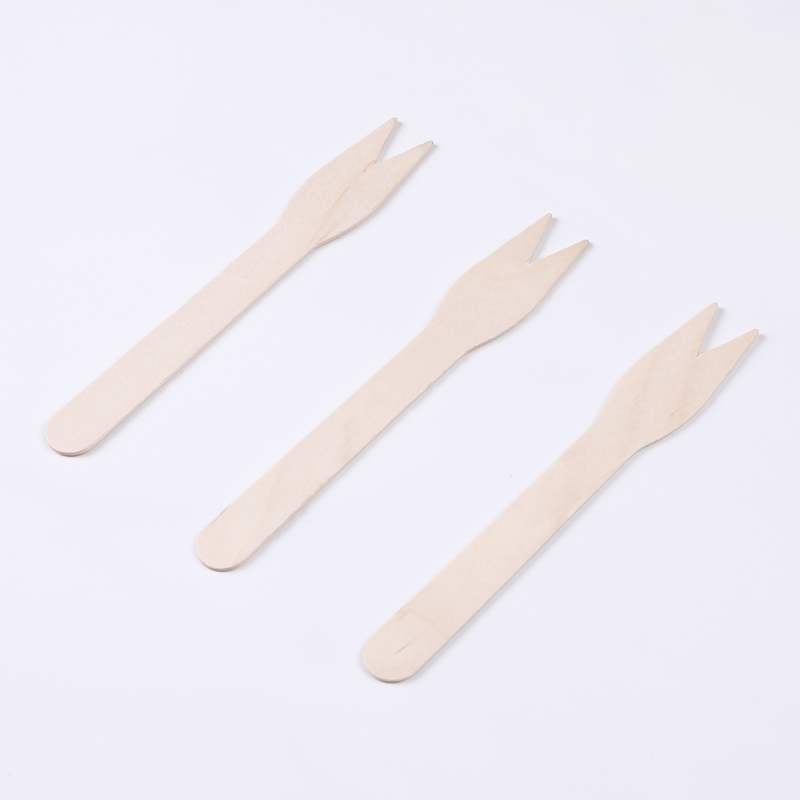
The choice to switch to a wooden fork is a small but meaningful step towards sustainable living. It represents a conscious decision to prioritize planetary health without compromising on functionality or style. From understanding the best wooden forks for catering to exploring biodegradable wooden fork options for your next event, this guide aims to empower your choice. At Anji Aoli New Material Technology Co., Ltd., we are proud to contribute to this green movement from the heart of China's bamboo country, producing utensils that are as kind to the earth as they are practical for your needs.
References
[1] Adhikari, B. K., et al. (2018). "Biodegradation of Wooden Cutlery in Municipal Composting Facilities." *Journal of Environmental Management*, 217, 1-8. (This study provides data on the decomposition rates of wooden utensils, including bamboo and birch, under controlled composting conditions, supporting the timelines mentioned in this article.)