

 中文简体
中文简体Why "Eco-Friendly Disposable Utensils"Deserve a Second Look
What "Eco-Friendly" Usually Means in Disposable Utensils
When people refer to Eco‑Friendly Disposable Utensils, they often envision cutlery that breaks down naturally, avoids petroleum‑based plastics, and minimizes environmental harm. The label generally signals that these utensils are made from renewable materials such as bamboo, wood, or plant-based plastics, and that they are marketed as compostable or biodegradable. However, not all utensils bearing "eco-friendly” claims truly deliver on those promises. The reality is more nuanced: material choice, manufacturing process, and disposal conditions all influence how green a utensil actually is.
- Many alternatives use bamboo or wood — which are renewable resources — instead of fossil-fuel plastics.
- Some use bioplastics derived from plant starches, labeled compostable under certain conditions.
- Marketing may emphasize "plastic‑free,” "biodegradable,” or "compostable,” but definitions vary widely depending on certification and disposal infrastructure.
Common Misleading Claims in Marketing
Unfortunately, the term "eco‑friendly” is not strictly regulated in many regions. As a result, some products that look green may still harbor environmental flaws — for instance, requiring industrial composting facilities which may not exist locally, or using coatings that prevent proper decomposition. Without scrutinizing claims, consumers risk contributing to contamination in recycling or compost streams — ultimately defeating the intended purpose of sustainability.
- Labels that say "biodegradable” but lack certification or clarity about decomposition time or conditions.
- Products marketed as "compostable” yet only break down under high‑temperature industrial composting — useless if dropped in a landfill.
- Plastic-based utensils with bio‑resin coatings that slow down decomposition or release microplastics.
Materials Used in Disposable Eco‑Friendly Cutlery — Pros and Cons
Compostable Bamboo Versus Traditional Plastic
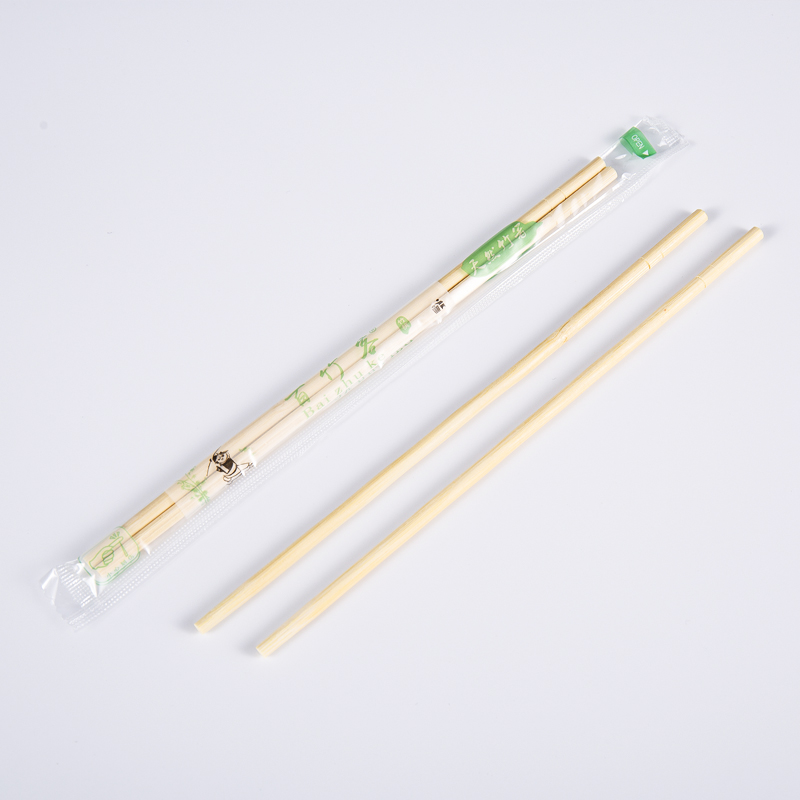
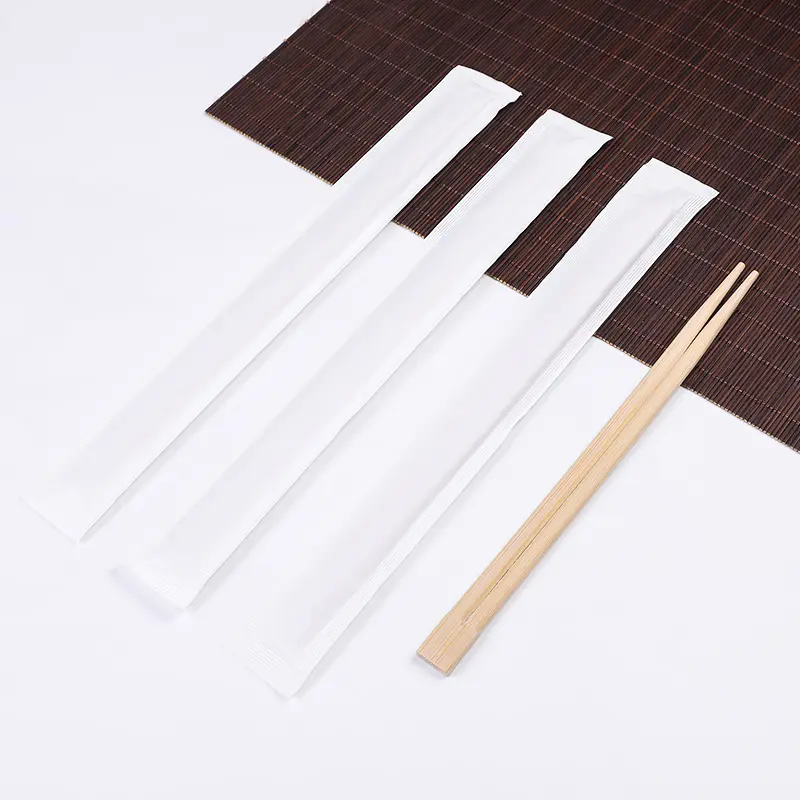
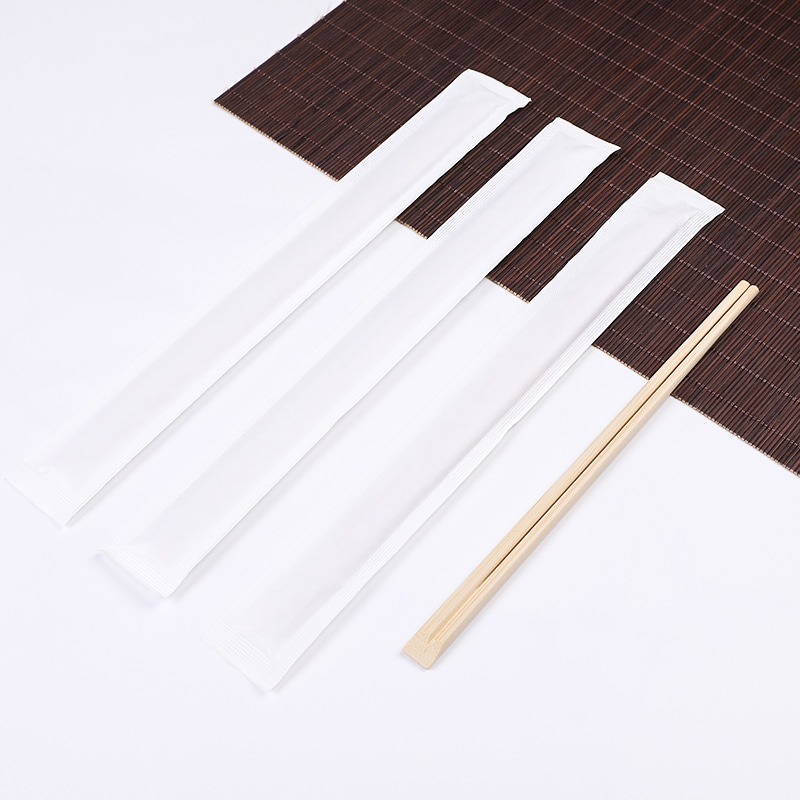
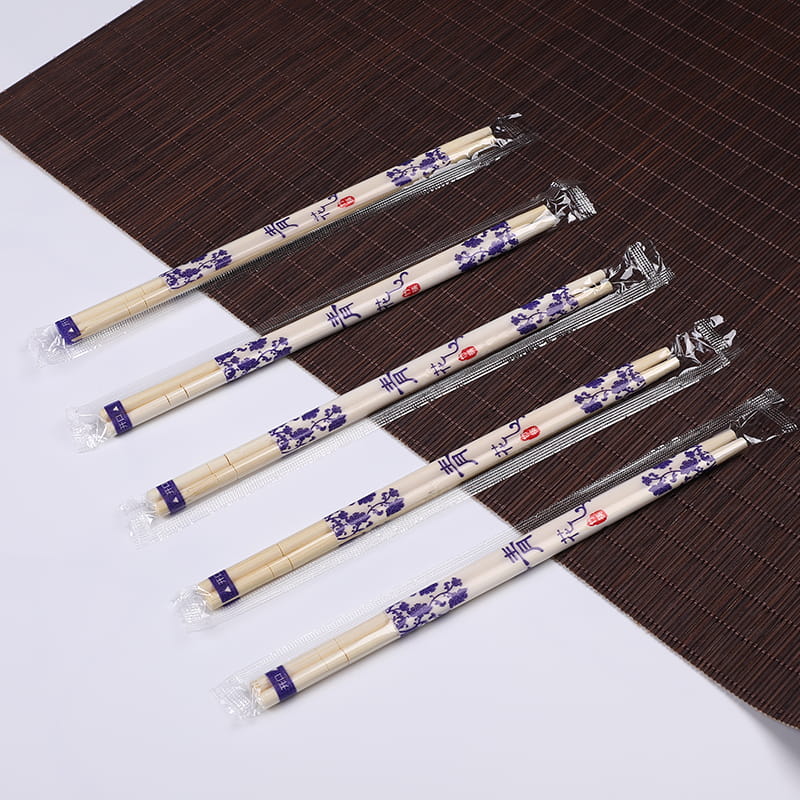
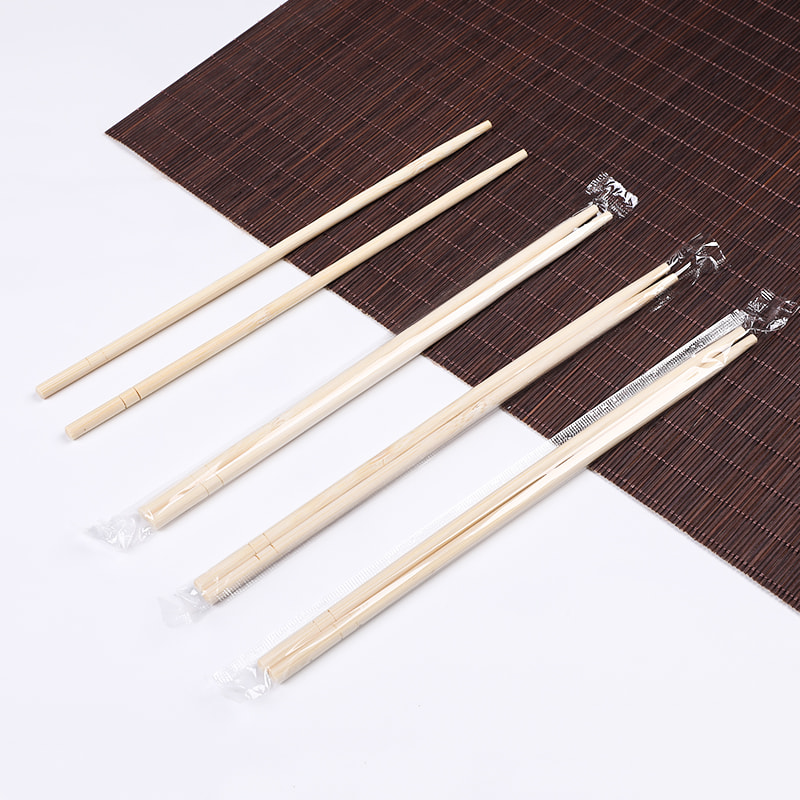
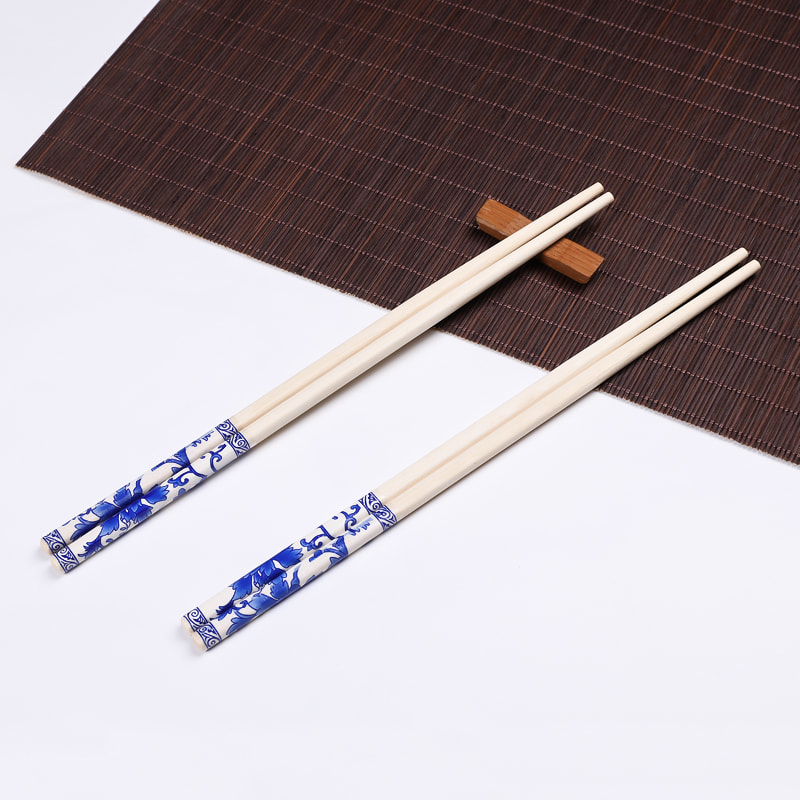
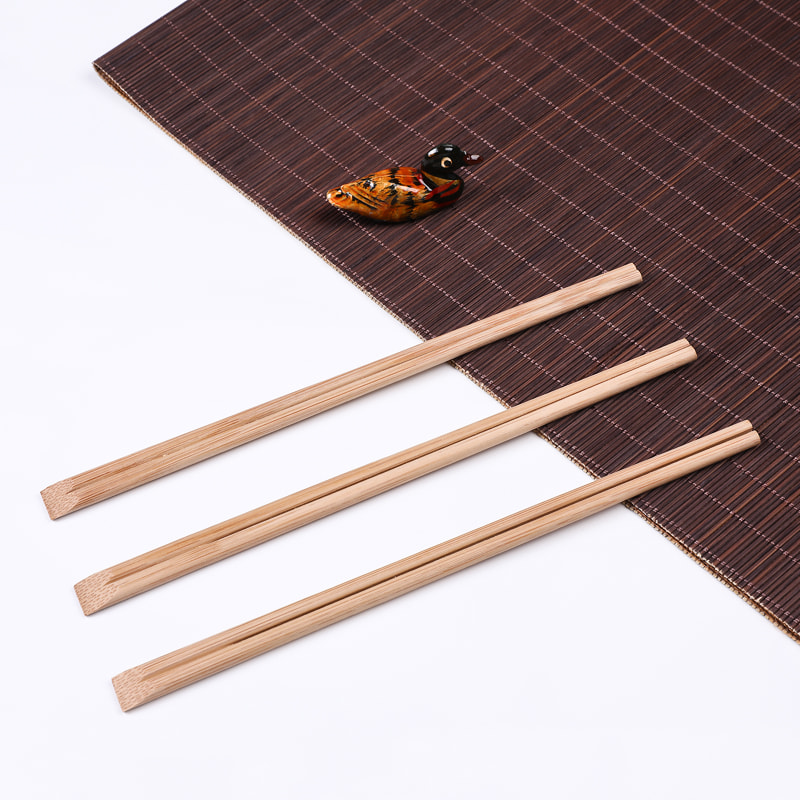
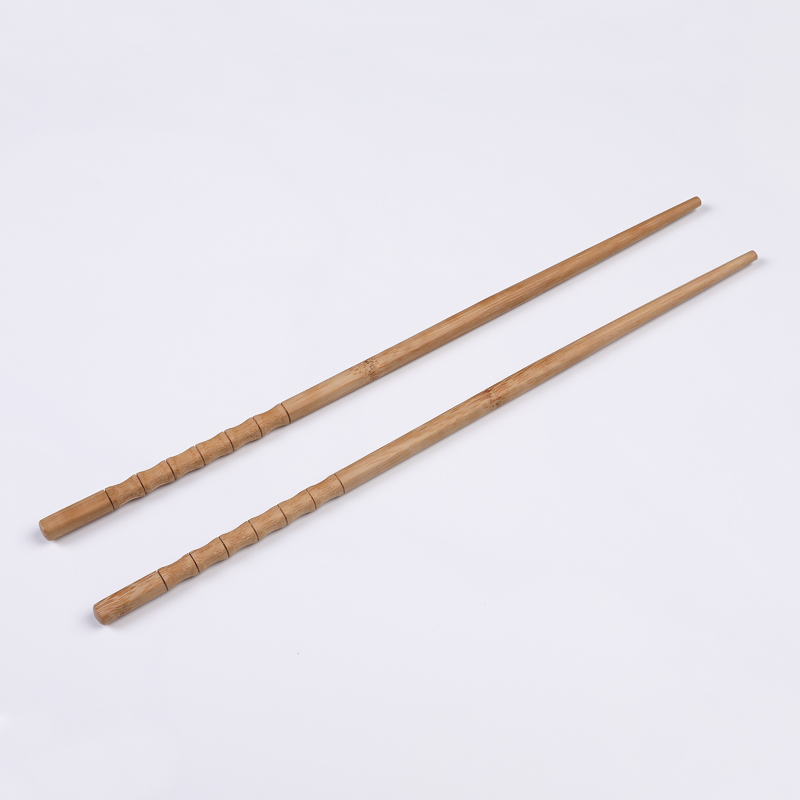
One of the most common alternatives to plastic utensils is bamboo-based disposable cutlery, often referred to as compostable bamboo disposable utensils. Bamboo grows quickly, requires little water and no pesticides, and after harvest it regenerates — making it a highly renewable resource. Compared to plastic, bamboo utensils typically have a lower carbon footprint in raw material cultivation and processing. However, the environmental benefit depends heavily on how the utensils are manufactured (e.g. use of adhesives or coatings) and how they are disposed of after use.
- Bamboo regrowth cycles are quick — making raw material sourcing more sustainable than wood from slow‑growing trees.
- Bamboo utensils avoid fossil‑based plastics entirely, reducing reliance on petroleum and microplastic pollution.
- If untreated and uncoated, bamboo breaks down faster under composting conditions than many "biodegradable plastics.”
Wooden and Plant-Based Alternatives: What to Check For
Besides bamboo, disposable utensils may come from other wood types or plant-based materials. Some are labeled as biodegradable plastic‑free disposable cutlery, meaning they avoid traditional plastics altogether. Plant-based bioplastics — like those from cornstarch or sugarcane — offer potential, but they carry caveats. Their ability to degrade properly depends on composting infrastructure and correct disposal practices. Otherwise, they may linger as waste or, worse, contaminate compost or recycling systems.
- Wooden cutlery (birch, beech, etc.) — natural, plastic‑free, and often compostable if untreated.
- Plant-based bioplastics — avoid fossil fuels but need industrial composting to break down efficiently.
- Some utensils may combine materials (e.g. wooden core + plastic coating), which undermines compostability despite marketing claims.
How to Choose Truly Green Utensils for Events or Home Use
Key Criteria: Biodegradability, Compostability, Certification, End-of-Life Disposal
When you’re selecting disposable cutlery for a party, event, or everyday use — and want to uphold real environmental standards — it’s important to go beyond buzzwords. Evaluate utensils against concrete criteria: whether they are made of renewable materials, whether they break down under realistic conditions, and whether there’s infrastructure to process them properly. Products marketed as cheap eco friendly disposable utensils for parties may be tempting on price — but cheapness should not come at the cost of actual sustainability. Always look for clear certification (e.g. industrial compostable standards), and understand disposal requirements before buying.
- Material origin: bamboo, untreated wood, or certified compostable plant-based materials.
- Certification: compliance with recognized compostability standards rather than vague "biodegradable” claims.
- Disposal infrastructure: local composting facilities or home‑composting compatibility.
- Transparency from the supplier/manufacturer about materials and decomposition conditions.
Smart Buying Tips: Bulk Orders, Cost vs. Environmental Impact
For large gatherings or regular use, buying in bulk makes sense — not only for saving money, but also for reducing packaging and shipping impact per item. Bulk-distributed utensils labeled as compostable wooden disposable cutlery bulk can offer economies of scale while minimizing waste footprint. However, cheaper bulk products often sacrifice quality — which can affect usability and true compostability. Therefore, balance cost with environmental integrity: sometimes paying a bit more for better materials and clarity saves waste and frustration in the long run.
- Calculate per‑use cost vs. environmental cost — cheaper isn’t always greener.
- Check if bulk packaging is recyclable or compostable itself — shipping in heavy plastic undermines green intent.
- Inspect utensils for coatings, glues or additives that prevent composting or create contamination.
- Whenever possible, choose suppliers who provide material data and disposal guidance.
Disposal Realities: What Happens After You Throw Them Away
Industrial Composting vs. Home Composting vs. Landfill
The end-of-life fate of disposable utensils plays a decisive role in determining whether they are actually "green.” Utensils labeled biodegradable may degrade quickly under industrial composting — where high temperatures, controlled humidity, and microbial activity accelerate breakdown. But if you toss those same utensils into a landfill or regular trash, they may sit for years, or even centuries, releasing methane or contributing to microplastic pollution. Even compostable bamboo or wood needs proper compost conditions — otherwise they might decompose too slowly or not at all. So when you use disposable cutlery for sustainability, plan disposal carefully.
- Industrial composting — ideal conditions; rapid breakdown and return to soil nutrients.
- Home composting — possible for untreated wood/bamboo, but slower and depends on local climate and compost care.
- Landfill or regular trash — worst-case: decomposition halted, methane release, or long-term waste persistence.
The Risk of "Greenwashing” if Disposal Instructions Are Ignored
Some products fall into the trap of are disposable eco friendly utensils really biodegradable — where marketing claims mislead consumers into thinking they are doing something eco-conscious, but actual disposal practices undermine those claims. Without clear instructions, compostable cutlery may end up in regular trash or recycling, contaminating streams and reducing the chance of proper decomposition. Worse, if unsuitable materials are mixed with compostable waste, it may render entire compost loads unusable. Therefore, genuine sustainability requires attention to disposal — not just buying "green” products.
- Misplaced items in compost bins (coated utensils, contaminated food waste) may spoil whole compost loads.
- Lack of local composting facilities means compostable items default to landfill — negating benefits.
- Consumers need to know disposal methods before purchasing — otherwise they may do more harm than good.
Conclusion: Striving for Real Sustainability Rather Than Labels
In summary, using Eco‑Friendly Disposable Utensils can be a step toward reducing single-use plastic waste — but only if you approach the choice and disposal deliberately. Simply buying utensils labeled "eco-friendly” or "compostable” is not enough. You need to understand the material origin, manufacturing details, and disposal pathways. By choosing utensils made from renewable materials like bamboo or untreated wood, verifying compostability claims, and disposing of them properly (ideally via industrial or well-maintained home composting), you can make a real difference. Otherwise, you may be unintentionally participating in greenwashing rather than genuine environmental stewardship.
FAQ
Are all compostable utensils truly biodegradable?
Not necessarily. The term "compostable” means the item can break down under certain conditions — typically in an industrial composting facility with high temperatures and active microbial processes. Items that claim compostability but lack certification may not degrade fully, or may take very long time to break down. Therefore, when a disposable utensil is labeled compostable, you should check if it meets recognized standards and whether your local disposal infrastructure supports composting. Without these, "compostable” may amount to little more than marketing.
Can I just throw eco‑friendly disposable utensils in regular trash?
Throwing compostable or biodegradable utensils into regular trash almost always defeats their environmental benefits. In a landfill environment — which is often anaerobic and lacks microbial activity — decomposition slows dramatically, and may result in greenhouse gas emissions (e.g. methane) or long-term persistence of waste. If you truly want disposable cutlery to be environmentally friendly, plan for proper disposal: compost bin, industrial composting service, or home compost when conditions allow.
How to know if disposable utensils are certified compostable?
Look for clear indications of certification on packaging. Recognized compostable certifications typically refer to standards from recognized bodies or regulatory frameworks (though names vary by region). The packaging should detail composting conditions (temperature, time, suitable composting environments). If you see vague terms like "biodegradable” or "eco‑friendly” without details, be skeptical. Always verify that the material, coating, and disposal instructions align with genuine compostability — ideally with documentation from the manufacturer or supplier.
Are eco‑friendly disposable utensils more expensive — is it worth it?
Often yes — utensils made from renewable materials or certified compostable bioplastics tend to cost more than cheap plastic alternatives. But whether it’s worth it depends on your values and disposal options. If you care about reducing plastic pollution and have access to composting infrastructure, the environmental benefit can justify the extra cost. Over time, using such utensils for events, gatherings, or regular meals — and combining with responsible disposal — can reduce your environmental footprint significantly compared to single-use plastic cutlery.