

 中文简体
中文简体The Unseen Cost of Convenience: Understanding Disposable Takeaway Food Tableware Set
The ubiquity of the disposable takeaway food tableware set has fundamentally changed modern dining and food service. In a world defined by speed and efficiency, these sets offer an unparalleled level of convenience, enabling restaurants to serve customers quickly and allowing consumers to eat on the go without the hassle of washing dishes. However, this convenience comes with a significant, often hidden, environmental and health cost. The massive volume of single-use plastic and non-degradable waste generated daily is overwhelming landfill sites and polluting marine ecosystems, prompting a global re-evaluation of our consumption habits. For businesses, choosing the right set is no longer just about cost and practicality; it’s a critical decision that impacts brand reputation, sustainability goals, and long-term regulatory compliance. Understanding the materials, sourcing, and end-of-life cycle of these products is essential for any responsible operator navigating the modern food industry. This comprehensive guide delves into the various options available, highlighting both the practical benefits and the imperative to choose sustainable alternatives that mitigate environmental damage while maintaining service quality.
- Global Waste Crisis: The sheer scale of discarded single-use tableware contributes significantly to the global plastic crisis, demanding immediate shifts toward sustainable alternatives like those made from plant-based materials.
- Consumer Expectation: Modern consumers are increasingly environmentally conscious, often preferring businesses that commit to using sustainable and eco-friendly disposable cutlery sets bulk over those that rely on conventional, non-recyclable plastic.
- Regulatory Pressure: Many jurisdictions are implementing outright bans or significant taxes on single-use plastics, making the transition to compostable or biodegradable options a necessary business strategy.
- Operational Efficiency: High-quality, durable disposable sets, such as a heavy duty disposable plastic silverware set, can prevent customer complaints related to broken utensils, improving the overall takeaway experience.
Environmental Footprint: Why Choosing Eco-Friendly Disposable Cutlery Sets Bulk Matters
The decision to purchase eco-friendly disposable cutlery sets bulk is perhaps the most impactful choice a business can make in reducing its operational environmental footprint. Bulk purchasing, by its nature, reduces packaging and transportation emissions per unit, offering an immediate logistical and cost advantage. More critically, the 'eco-friendly' aspect signifies a departure from fossil fuel-based plastics to materials derived from renewable resources, such as corn starch (PLA), wood, bamboo, or bagasse (sugarcane fiber). These materials are designed to break down much faster than traditional plastics, either in industrial composting facilities or, in some cases, home compost environments, drastically reducing landfill burden. This commitment resonates with eco-aware customers and can be a powerful marketing tool, positioning the business as a leader in sustainability. The shift demonstrates an understanding that true business cost includes environmental cost, and smart sourcing is key to long-term viability and public goodwill. Furthermore, a deeper look into the supply chain often reveals reduced toxicity in the manufacturing process of these greener alternatives, contributing to worker and consumer safety.
- Reduced Carbon Emissions: Manufacturing plant-based plastics often requires less energy and generates fewer greenhouse gas emissions compared to petroleum-based plastics.
- Renewable Resources: Eco-friendly options utilize rapidly renewable resources, preventing the depletion of non-renewable fossil fuels.
- End-of-Life Benefit: When correctly disposed of, these sets return organic matter to the soil, completing a natural resource cycle rather than contributing to persistent pollution.
Material Matters: Comparing Conventional vs. Sustainable Options
The material composition of a disposable takeaway food tableware set dictates its practical performance, environmental persistence, and ultimate cost. Historically, Polystyrene (PS) and Polypropylene (PP) plastics dominated the market due to their low cost and high strength, but their non-biodegradable nature has made them environmental liabilities. The sustainable movement has ushered in a wave of innovative alternatives, including Polylactic Acid (PLA), which is derived from corn starch, and fiber-based products like bagasse (sugarcane) and palm leaf. These new materials offer comparable strength and heat resistance to traditional plastics but possess the critical advantage of being compostable. Understanding the subtle differences between 'biodegradable' and 'compostable' is crucial; compostable materials break down under specific, controlled conditions (often industrial), while biodegradable simply means the material will break down eventually, sometimes over decades, and not always into harmless byproducts. The choice of material should align with local waste infrastructure—for example, choosing PLA is pointless if there are no local industrial composting facilities, as it will end up in a landfill just like conventional plastic.
- Critical Distinction: Consumers and businesses must look for 'Compostable' certification marks (e.g., BPI) rather than just 'Biodegradable' to ensure true environmental benefit.
- Performance Trade-offs: Some eco-friendly materials, while robust, may not handle extremely high temperatures as well as traditional plastics, requiring careful selection based on the type of food being served.
| Material Type | Key Properties | Environmental End-of-Life | Best Use Case Example |
| Conventional Plastic (PS/PP) | High durability, heat tolerance, very low cost. | Landfill (non-biodegradable), ocean pollution. | Budget-focused takeaway operations (facing bans). |
| Compostable PLA Plastic | Clear appearance (like plastic), moderate heat resistance. | Requires industrial composting facility to break down. | Cold to moderate temperature foods and drinks. |
| Bagasse/Sugarcane Fiber | Excellent heat/moisture resistance, sturdy structure. | Compostable (some home-compostable). | Hot meals, soups, and greasy takeaway dishes. |
From Quick Meals to Grand Events: Tailoring Your Disposable Choices
Event Planning Simplified: The Rise of Biodegradable Single-Use Eating Utensils for Parties
Event organizers face a unique challenge: balancing the need for disposable convenience with the desire to host a responsible, eco-conscious gathering. This is where biodegradable single-use eating utensils for parties have become indispensable. Traditional plastic cutlery often feels cheap and breaks easily, diminishing the event experience and leaving guests with a bad impression. Furthermore, the environmental guilt associated with mass-disposable plastic is increasingly unacceptable for modern events, whether they are corporate functions, weddings, or large family celebrations. Biodegradable options, often made from bamboo, wood, or CPLA (crystallized PLA), offer a more robust, sometimes elegant alternative that signals a commitment to sustainability without sacrificing practicality. Using these sets simplifies post-event clean-up immensely, while allowing organizers to confidently market their event as green or low-impact. The aesthetic appeal of materials like bamboo or birchwood also contributes positively to the visual presentation of a catered spread, elevating the perceived value of the dining experience far beyond standard plastic. Event planning efficiency is maximized when the disposable option is high-quality, preventing mid-event breakages and ensuring a smooth dining service.
- Elevated Aesthetics: Wooden or bamboo cutlery adds a rustic, stylish touch that complements high-end catering and event décor better than conventional plastic.
- Guest Perception: Guests appreciate and often comment positively on the use of environmentally responsible tableware, reflecting well on the host or organizer.
- Specific Party Kits: Many suppliers offer pre-packaged party kits that include not only the disposable takeaway food tableware set but also napkins and plates, simplifying the procurement process for event planners.
Performance and Durability: When You Need a Heavy Duty Disposable Plastic Silverware Set
In certain scenarios, particularly when dealing with dense, tough, or temperature-sensitive foods, performance and durability become the paramount criteria, leading some operators to seek out a heavy duty disposable plastic silverware set. Standard, lightweight plastic utensils are notorious for snapping under pressure when cutting through items like grilled chicken, steak, or dense cakes, creating a poor customer experience and increasing waste due to replacement. Heavy-duty options are typically made from a higher grade of Polypropylene (PP) or a blend of plastics, offering a rigidity and strength that mimics reusable metal cutlery. This superior robustness is crucial for high-volume takeout operations and food trucks where speed and product reliability are non-negotiable. While the environmental concerns of plastic remain, the argument for 'heavy duty' centers on reducing breakage waste and ensuring customer satisfaction, which are vital for business continuity. However, businesses exploring this category should also investigate high-strength compostable alternatives like CPLA (Crystallized PLA), which offers similar rigidity with a reduced environmental footprint, providing a viable bridge between durability and sustainability.
- Reduced Breakage: The core benefit is preventing embarrassing and messy mid-meal breakages, enhancing the professional image of the food provider.
- Thermal Stability: Heavy-duty plastic often performs better with extremely hot foods compared to some standard compostable alternatives, preventing warping.
- Cost vs. Quality: While higher in initial cost than flimsy alternatives, the reduction in customer complaints and replacement costs can justify the investment in a higher-quality disposable takeaway food tableware set.
| Durability Need | Food Type/Scenario | Recommended Disposable Option | Key Advantage |
| Extreme Strength | Steak, tough meats, frozen desserts. | Heavy Duty PS or CPLA Utensils. | Mimics real silverware; maximum rigidity. |
| High Heat Resistance | Hot soups, stews, deep-fried items. | Bagasse Fiber or Heavy-Duty PP. | Resistant to warping and melting at high temperatures. |
| Medium Durability | Salads, sandwiches, light pasta. | Standard PLA or Sturdy Wooden Cutlery. | Adequate performance with low environmental impact. |
Advanced Alternatives: Exploring Innovative Compostable Solutions
The Power of Plants: Compostable Sugarcane Fiber Plates and Cutlery Explained
Among the most promising innovations in sustainable foodservice is the use of materials like bagasse, the fibrous residue remaining after crushing sugarcane stalks to extract their juice. Compostable sugarcane fiber plates and cutlery represent a highly sustainable alternative because they utilize a readily available agricultural byproduct that would otherwise be considered waste. This approach drastically reduces the carbon footprint associated with virgin material extraction. Bagasse products are not only tree-free but also exhibit exceptional performance characteristics, often surpassing traditional paper and even some plastics. They are remarkably sturdy, naturally resistant to oil and moisture, and can safely handle hot foods up to $200^{\circ}\text{F}$ without leaching chemicals or degrading. This makes them ideal components for a complete disposable takeaway food tableware set designed for hot meals. The material breaks down fully in a commercial composting facility, enriching the soil and closing the loop on the material lifecycle. Their dense, premium feel also translates into a better customer experience, subtly communicating a higher quality of service and a commitment to environmental stewardship from the provider.
- Byproduct Utilization: Uses a post-industrial waste product (bagasse), minimizing resource consumption.
- Thermal Performance: Excellent for hot foods, unlike some PLA products which have lower melting points.
- Grease and Moisture Barrier: Naturally resistant to grease penetration, maintaining structural integrity even with saucy foods.
Aesthetic and Practical Choices: Opting for Bulk Disposable Wooden Cutlery Set with Napkins
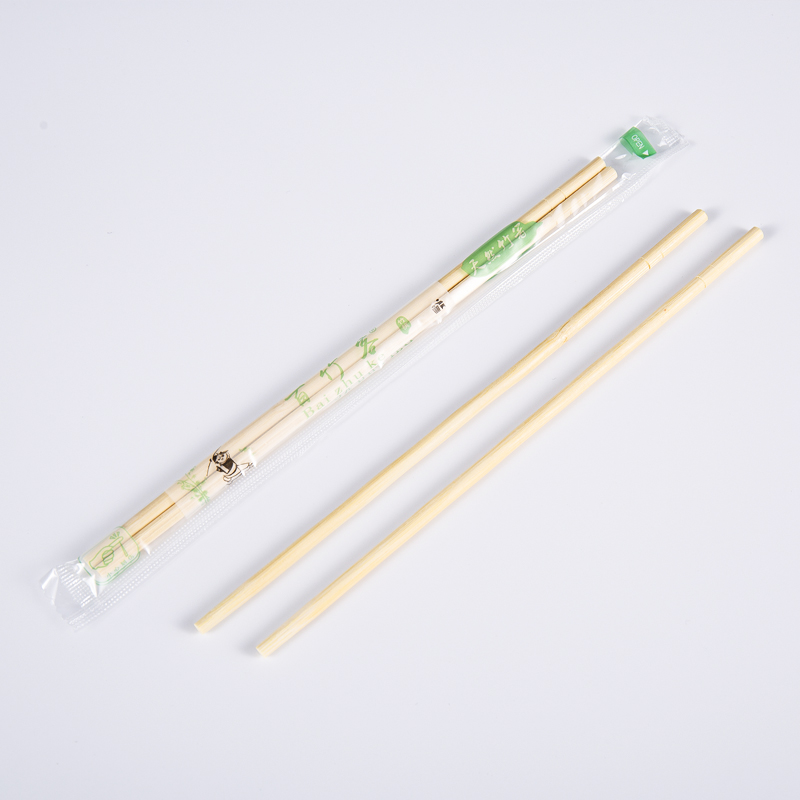
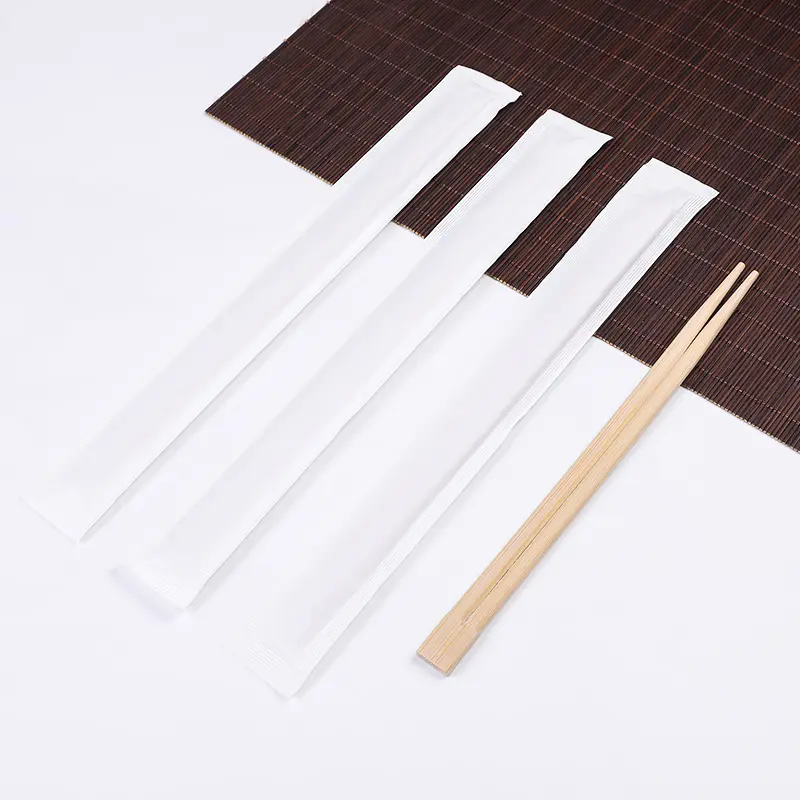
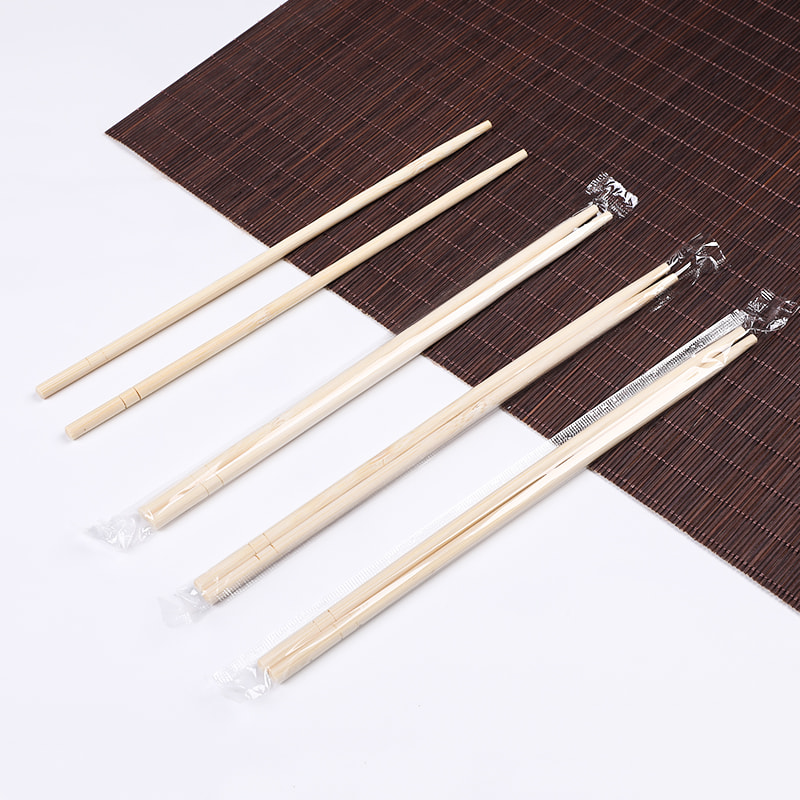
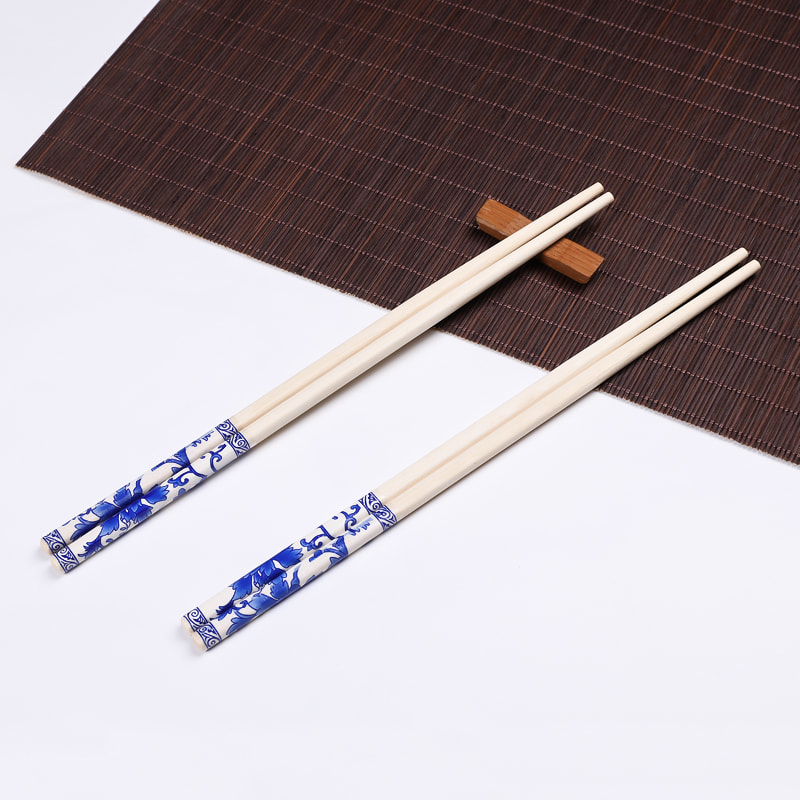
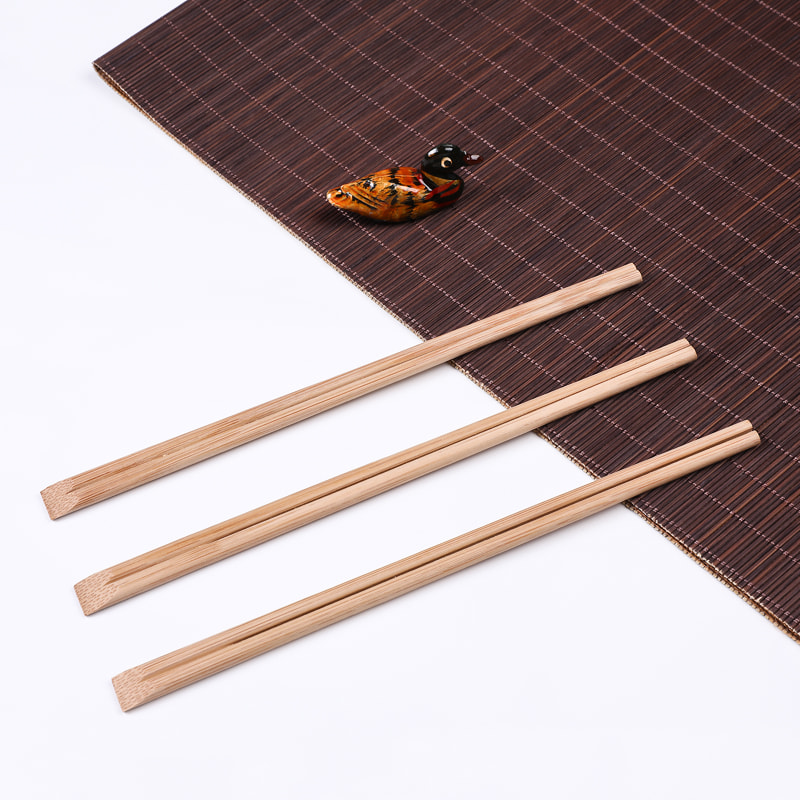
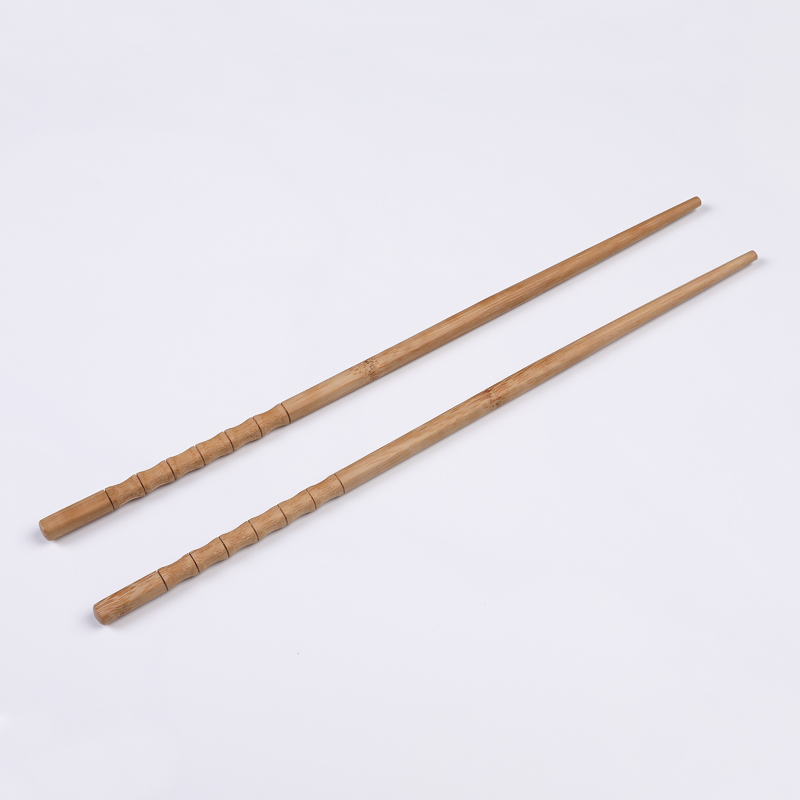
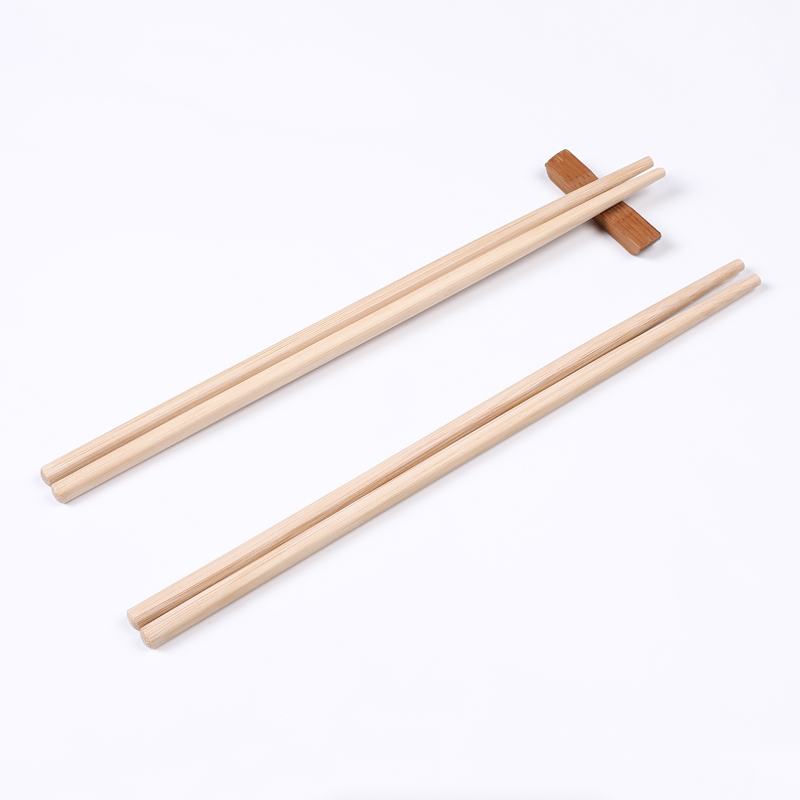
The choice to procure a bulk disposable wooden cutlery set with napkins is often driven by a desire to combine functionality with a distinct aesthetic appeal. Wooden cutlery, typically made from sustainably sourced birch or bamboo, offers a rustic, clean, and organic look that is particularly favored by artisanal food providers, organic cafes, and farm-to-table establishments. Unlike plastic, which can feel cold and mass-produced, wood offers a pleasant, natural tactile experience for the consumer. Buying these sets in bulk provides significant cost savings and ensures supply consistency for high-volume users. The inclusion of an unbleached or recycled paper napkin as part of the complete disposable takeaway food tableware set simplifies inventory management and packaging for the restaurant staff, ensuring every takeout order is consistently equipped. While the environmental benefit of wood is clear (it is biodegradable and compostable), it is vital to ensure the wood is sourced from certified sustainable forests (e.g., FSC certified) to truly maintain the eco-friendly claim. This option proves that sustainability and style can coexist without compromising on the core need for disposable convenience.
- Natural Aesthetic: Provides a high-end, environmentally conscious visual appeal that elevates branding and takeaway presentation.
- Complete Kit: Packaging the utensils with napkins streamlines the assembly of takeaway orders, reducing labor time and ensuring consistency.
- Chemical-Free: High-quality wooden utensils are often processed without harsh chemicals, making them a safer choice for food contact.
| Cutlery Material | Aesthetic Appeal | Primary Use Context | Environmental Certification Need |
| Wooden (Birch/Bamboo) | Rustic, natural, organic. | Cafes, organic food trucks, picnics. | FSC (Forest Stewardship Council) to ensure sustainability. |
| CPLA (Crystallized PLA) | Sleek, modern, premium plastic look. | Corporate catering, high-end fast-casual. | BPI (Biodegradable Products Institute) for compostability. |
| Sugarcane/Bagasse | Natural fiber texture, sturdy plate/container look. | Hot food service, outdoor events. | Compostable certifications (e.g., DIN CERTCO). |
Key Takeaways for Responsible Sourcing
The marketplace for the disposable takeaway food tableware set is rapidly evolving, driven by consumer demand for sustainability and regulatory pressure. Responsible sourcing requires a holistic approach that balances cost, performance, and environmental impact. Businesses must move beyond simple cost-cutting and embrace materials that align with a circular economy, opting for products like eco-friendly disposable cutlery sets bulk that offer both high utility and low ecological cost. The future of takeaway dining relies on innovative materials such as compostable sugarcane fiber plates and cutlery and careful choices like a bulk disposable wooden cutlery set with napkins that enhance the customer experience while minimizing environmental harm. By prioritizing certified compostable, strong, and aesthetically pleasing options, businesses can turn a regulatory challenge into a brand-building opportunity.
FAQ
Are compostable sugarcane fiber products truly better than PLA plastics?
Yes, in many practical aspects, compostable sugarcane fiber plates and cutlery (bagasse) are often considered superior to PLA (Polylactic Acid) in the context of a disposable takeaway food tableware set. The superiority stems from bagasse's significantly higher heat tolerance and moisture resistance, making it an excellent choice for hot, greasy, or saucy meals which are common in takeaway and delivery. PLA, derived from starches, typically has a lower heat resistance, limiting its use to cold or mildly warm foods. Furthermore, bagasse utilizes a post-industrial waste product—sugarcane pulp—which elevates its sustainability profile by reducing agricultural waste. Both materials require commercial composting facilities to break down effectively, but bagasse's superior performance in hot food applications gives it a significant advantage for a broader range of food service operations.
What are the safety concerns regarding "heavy duty" disposable plastic cutlery?
The primary safety concerns associated with a heavy duty disposable plastic silverware set revolve around the chemicals used in the manufacturing process and the potential for microplastic shedding. While considered food-safe, most conventional heavy-duty plastics are derived from petroleum and may contain additives that can potentially leach into food, especially when exposed to high temperatures. Additionally, the very durability that defines 'heavy duty' plastic contributes to its persistence in the environment, meaning it breaks down into microplastics that enter the food chain and water sources, posing a long-term ecological and public health risk. Customers searching for durable options should strongly consider high-grade compostable alternatives like CPLA (Crystallized PLA) or robust wood/bamboo options, which offer comparable strength to a traditional disposable takeaway food tableware set but with certified chemical-free and compostable properties, mitigating these safety and environmental hazards.
Where can businesses responsibly dispose of biodegradable single-use utensils?
Responsibly disposing of biodegradable single-use eating utensils for parties and other events depends entirely on local waste infrastructure. The critical factor is that most products marketed as 'biodegradable' or 'compostable' (including PLA and bagasse disposable takeaway food tableware set components) require *industrial composting* facilities to break down within the specified time frame. Simply placing them in a conventional recycling bin or landfill defeats the purpose, as they will often be filtered out of the recycling stream or struggle to decompose in an anaerobic (oxygen-poor) landfill environment. Businesses must actively partner with local waste management companies to determine if a commercial composting program is available. If not, alternatives like certified home-compostable wood or bamboo products might be a more honest environmental choice, even though they may take longer to break down outside of controlled conditions. Clear labeling and consumer education are also vital to ensure the utensils end up in the correct waste stream.