

 中文简体
中文简体In today's fast-paced world, disposable chopsticks are a ubiquitous part of the dining experience, especially with the rise of takeout and food delivery. While they offer undeniable convenience, understanding their lifecycle—from raw materials to disposal—is crucial for making informed choices. This guide delves deep into the world of single-use chopsticks, exploring the different types, their environmental footprint, and how innovations in manufacturing are paving the way for more sustainable options. As a company rooted in the heart of China's bamboo country, Anji Aoli New Material Technology Co., Ltd. is dedicated to advancing eco-friendly solutions in this essential product category.
Understanding Disposable Chopsticks: Materials and Manufacturing
Not all disposable chopsticks are created equal. The material choice directly impacts performance, cost, and environmental impact.
Primary Materials Used
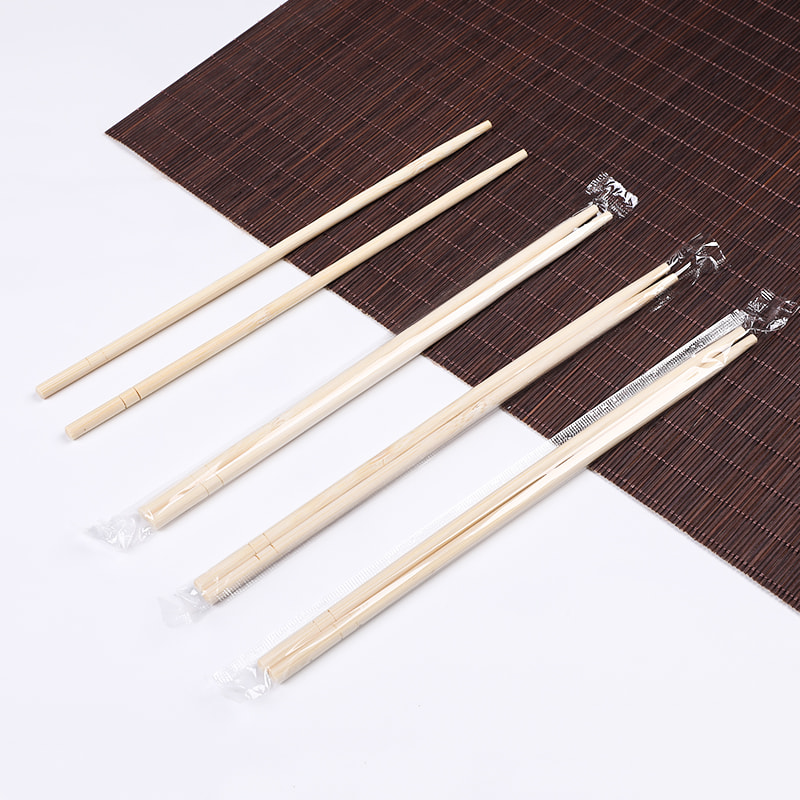
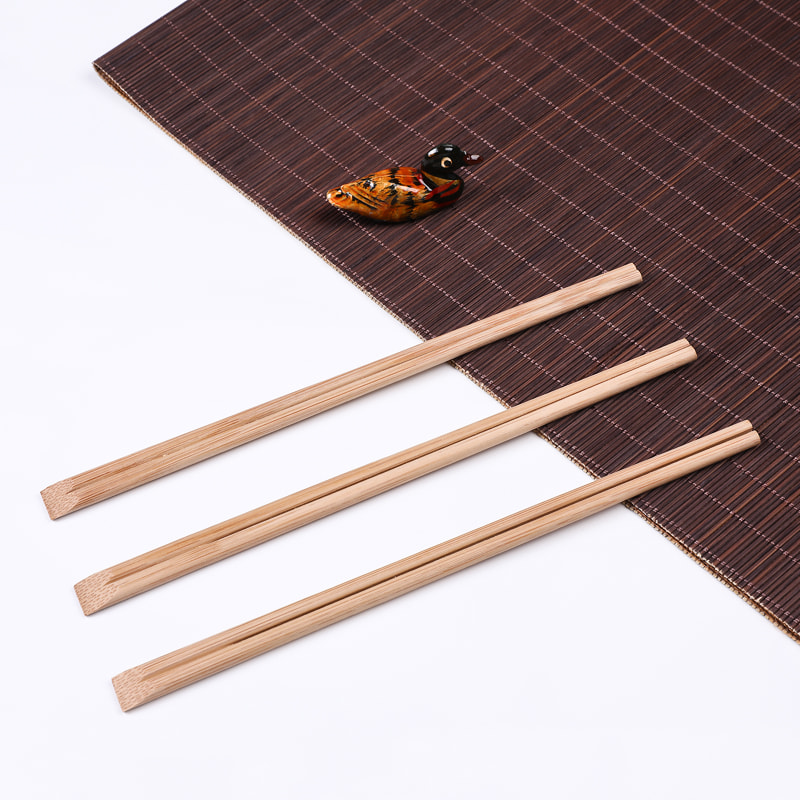
Bamboo Chopsticks
- Source: Made from fast-growing moso bamboo.
- Characteristics: Naturally durable, slightly textured grip, and biodegradable.
- Production Hub: Regions like Anji County, Zhejiang, leverage local bamboo resources for sustainable production.
Wooden Chopsticks (Commonly Birch or Aspen)
- Source: Typically made from bleached white birch or aspen wood.
- Characteristics: Smooth finish, uniform appearance, and often subject to bleaching processes.
When comparing the two, bamboo generally has a lower environmental impact in the growth phase due to its rapid renewal rate and minimal need for pesticides [1]. In contrast, wooden chopsticks, depending on forestry practices, can contribute to deforestation if not sourced from managed plantations.
| Feature | Bamboo Chopsticks | Wooden Chopsticks |
| Renewal Rate | Extremely Fast (3-5 years) | Slow (10-50+ years) |
| Typical Processing | Less chemical-intensive | Often involves bleaching |
| Biodegradability | High | High (if uncoated) |
| Carbon Footprint (Growth Phase) | Lower | Higher |
The Manufacturing Process: From Raw Material to Finished Product
Quality manufacturing is key to safety and sustainability. Reputable manufacturers, such as those in Anji, adhere to strict national quality system certification standards. The process involves:
- Selection: Choosing mature, high-quality bamboo or wood.
- Treatment: Cleaning, drying, and shaping under high temperature to sterilize.
- Finishing: Polishing to ensure a smooth, splinter-free surface without harmful coatings.
This focus on advanced technology and natural materials results in a healthier product for consumers.
The Environmental Debate: A Closer Look at the Impact
The environmental implications of disposable chopsticks are significant and multifaceted, driving the search for eco-friendly disposable chopsticks.
Resource Consumption and Waste Generation
It's estimated that billions of pairs are used and discarded annually, leading to substantial resource consumption. The question of are disposable chopsticks biodegradable is central to this issue. While both bamboo and wood are technically biodegradable, this process only occurs efficiently in proper composting facilities, not in landfills where they often end up.
Carbon Footprint Analysis
The lifecycle carbon footprint includes cultivation, processing, transportation, and disposal. Bamboo often has an advantage due to its rapid carbon sequestration during growth. However, the footprint of any disposable product highlights the importance of sustainable sourcing and production practices that protect the ecological environment.
Health and Safety Considerations
Consumer health is paramount, raising common questions like are disposable chopsticks safe.
Chemical Treatments and Bleaching Agents
Some low-quality chopsticks may be treated with sulfur dioxide or hydrogen peroxide for whitening. Prolonged exposure to these residues can pose health risks. Choosing unbleached, naturally-colored chopsticks from certified manufacturers minimizes this risk.
Microbial Contamination and Splinter Risks
Proper high-temperature drying and sealing during manufacturing are critical to eliminate microbes and prevent splintering. Products that undergo stringent production management ensure a safer dining experience.
Sustainable Solutions and Future Trends
The industry is evolving towards greener alternatives, addressing concerns about disposable chopsticks environmental impact.
Innovations in Biodegradable and Reusable Materials
Beyond traditional bamboo, research into materials like starch-based polymers is ongoing. The most practical sustainable shift, however, is towards bamboo disposable chopsticks wholesale sourcing from responsible suppliers. This supports an economy based on a rapidly renewable resource.
The Role of Consumer Choice and Recycling Initiatives
Consumers and businesses can drive change by:
- Choosing certified, unbleached bamboo chopsticks.
- Supporting brands committed to green product design.
- Investigating local chopstick recycling programs, where available.
Businesses can make a significant impact by procuring wholesale from regions like Anji, where companies integrate environmental protection into their core mission.
Making an Informed Choice: A Buyer's Guide
For restaurants, caterers, or bulk purchasers, knowing where to buy disposable chopsticks in bulk responsibly is key.
Key Selection Criteria
- Material: Prioritize natural, unbleached bamboo.
- Certification: Look for food safety and quality management system certifications.
- Manufacturer Ethos: Partner with producers who emphasize sustainable practices and green product design.
Why Source from Specialist Producers?
Sourcing from regions with expertise and abundant natural resources, such as Anji County—the "Bamboo Town of China"—ensures a product born from quality raw materials and dedicated craftsmanship. Companies like Anji Aoli New Material Technology Co., Ltd. utilize this local advantage to produce superior bamboo product series, contributing to a healthier, more convenient dining culture while striving to protect the environment.
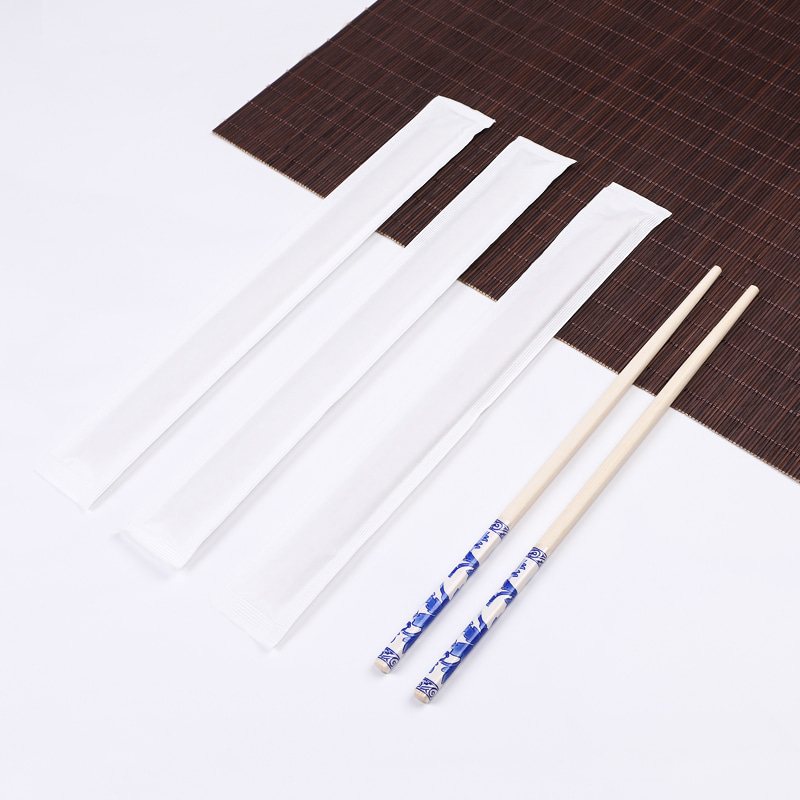
Frequently Asked Questions (FAQ)
1. Are disposable chopsticks biodegradable?
Yes, both bamboo and wooden chopsticks are biodegradable under proper composting conditions. However, bamboo biodegrades more efficiently due to its natural fiber structure. It is crucial they are disposed of in commercial compost facilities, not general waste.
2. Are disposable chopsticks safe to use?
They are generally safe when purchased from reputable manufacturers who avoid harmful bleaching chemicals and ensure thorough sterilization through high-temperature processes. Always choose products that meet national food safety standards.
3. What is the environmental impact of disposable chopsticks?
The impact includes resource depletion, deforestation risk (for wood), and landfill waste. The most eco-friendly option is unbleached bamboo chopsticks sourced from sustainably managed forests, as bamboo is a fast-renewing resource with a lower cultivation footprint [2].
4. Where can I buy disposable chopsticks in bulk responsibly?
Look for wholesalers or manufacturers that specialize in bamboo products and can provide transparency about their sourcing and production practices. Regions known for bamboo cultivation, like Zhejiang Province in China, often host companies with a strong focus on sustainable production.
5. Why choose bamboo disposable chopsticks over wood?
Bamboo is a grass that regenerates much faster than trees, requires fewer pesticides, and sequesters more carbon. Bamboo chopsticks are typically stronger and have a more natural, less processed finish when produced without heavy bleaching, making them a superior green choice.
References
[1] Li, Y., & Wang, L. (2020). Comparative Life Cycle Assessment of Bamboo and Wood-Based Disposable Chopsticks. Journal of Cleaner Production, 256, 120354. This study compares the environmental footprint of bamboo and wood chopsticks, highlighting bamboo's advantages in renewal rate and lower chemical use during processing.
[2] International Network for Bamboo and Rattan (INBAR). (2019). Bamboo for Sustainable Landscapes and Livelihoods. INBAR Policy Synthesis Report. This report details the environmental benefits of bamboo as a fast-growing, renewable resource with significant carbon sequestration potential, supporting its use over slower-growing woods.