

 中文简体
中文简体Disposable chopsticks are a ubiquitous part of dining culture worldwide, especially associated with takeout and fast-casual restaurants. While convenient, there's more to these utensils than meets the eye. This guide delves into the types, safety considerations, and environmental impact of disposable chopsticks, offering insights for consumers and businesses aiming to make informed, responsible choices. We'll explore how materials like bamboo offer a superior alternative and what to look for when selecting quality products.
Understanding Different Types of Disposable Chopsticks
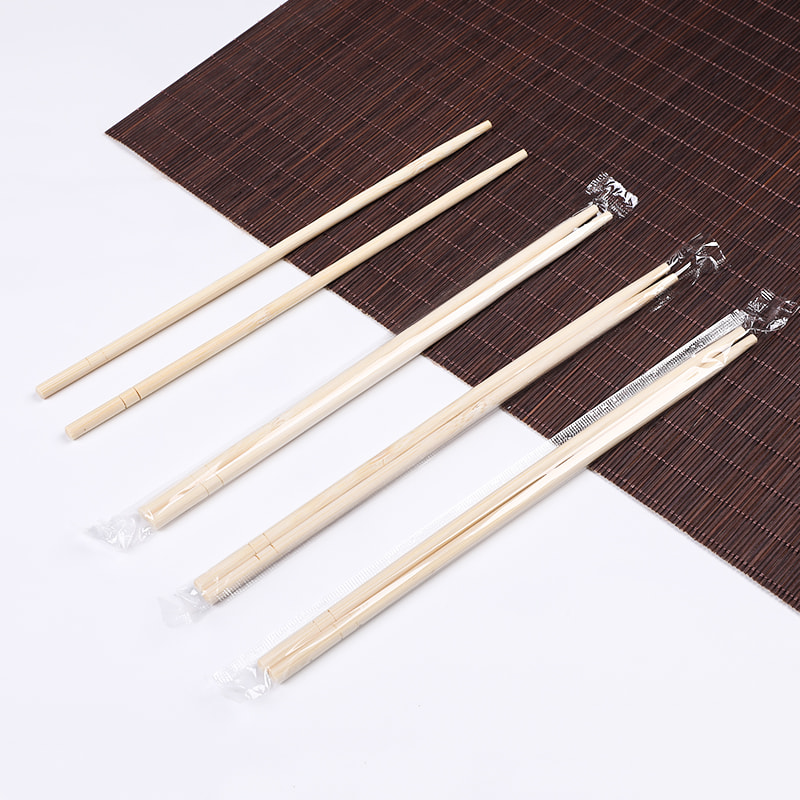
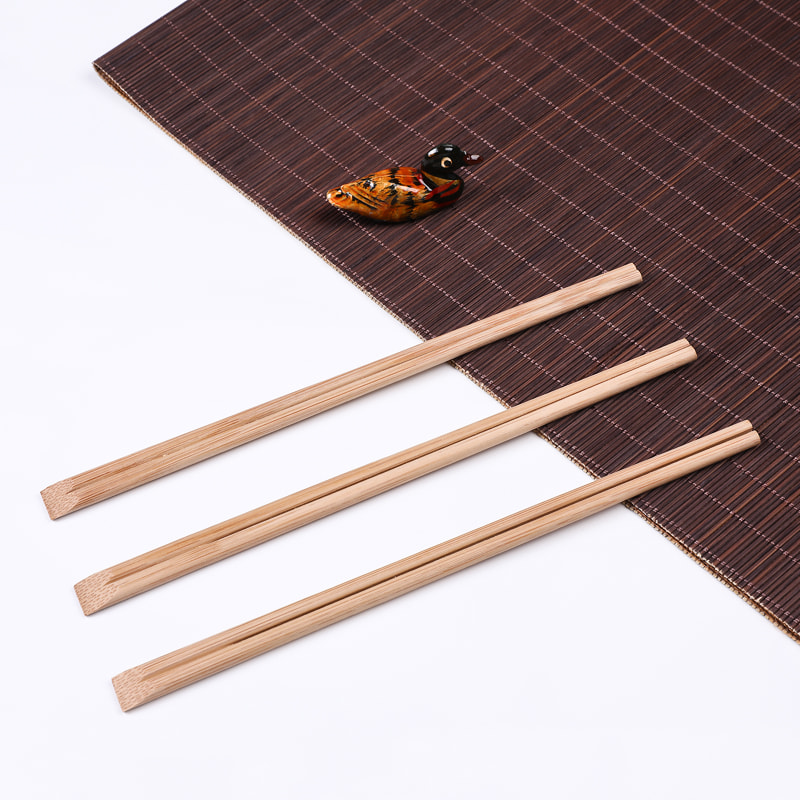
The market offers primarily two types of disposable chopsticks: bamboo and wood. Each has distinct characteristics in terms of production, feel, and environmental footprint.
Bamboo vs. Wood: A Material Comparison
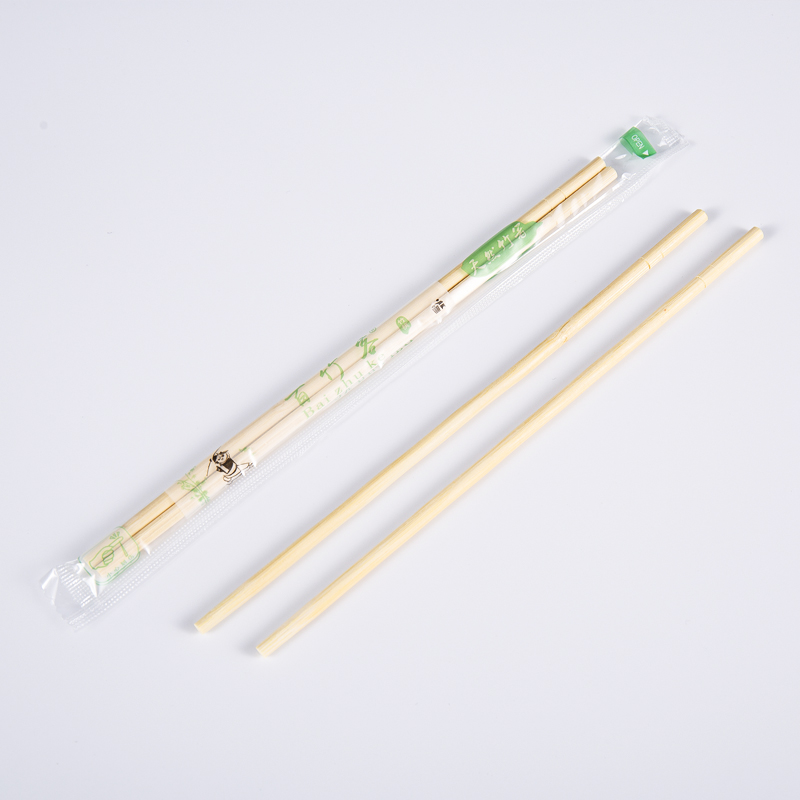
While both are common, bamboo and wood chopsticks differ significantly in their source and properties. Bamboo is a fast-growing grass, reaching maturity in 3-5 years, whereas trees used for wooden chopsticks can take decades to grow. This fundamental difference impacts sustainability. Bamboo chopsticks are generally denser and have a smoother, more consistent grain, while wooden ones can be lighter and sometimes have a more variable texture.
| Feature | Bamboo Chopsticks | Wooden Chopsticks |
|---|---|---|
| Raw Material | Fast-growing bamboo grass | Slow-growing trees like birch or aspen |
| Typical Texture | Smoother, tighter grain | Softer, can be more porous |
| Biodegradability | Highly biodegradable | Biodegradable, but may involve chemical treatments |
| Carbon Footprint | Generally lower due to rapid renewal | Higher due to long growth cycles and transportation |
| Common Treatments | Often heat-sterilized, fewer chemicals | May require more bleaching or anti-mold agents |
Why Bamboo is the Superior Choice
For businesses and consumers concerned with eco-friendliness and quality, bamboo stands out. Its rapid growth cycle makes it a highly renewable resource. At Anji Aoli New Material Technology Co., Ltd, located in Anji County—renowned as China's "Bamboo Town"—we leverage the region's pristine, pollution-free bamboo resources. The local ecological environment ensures the bamboo is of high quality, which is crucial for producing safe, durable chopsticks without excessive chemical processing. This natural advantage is a key reason many seek out high-quality disposable bamboo chopsticks for their operations.
Key Safety and Quality Considerations
Safety is paramount when it comes to any product that contacts food. Disposable chopsticks are no exception, and understanding potential risks is essential.
Identifying Chemical Residues and Bleaching
A primary concern for many is whether chopsticks contain harmful chemical residues from bleaching or preservation processes. Some manufacturers use sulfur dioxide or hydrogen peroxide to whiten wooden chopsticks, which can leave traces if not properly managed. In contrast, high-quality bamboo chopsticks often undergo natural drying and heat sterilization.
- Look for Natural Color: Excessively white or bright chopsticks may indicate bleaching.
- Check for Odor: A strong, pungent chemical smell is a red flag.
- Seek Certifications: Products adhering to national quality system certification standards are safer.
This is directly related to inquiries about are disposable chopsticks safe from chemicals, a common and valid consumer question. Choosing products from regions with strict ecological and production controls, like Anji, minimizes this risk.
Ensuring Proper Sanitation and Production Standards
Beyond chemicals, sanitation during manufacturing is critical to prevent microbial contamination. Reputable manufacturers follow strict hygiene protocols.
- Heat Treatment: High-temperature steam or dry heat is effective for sterilization.
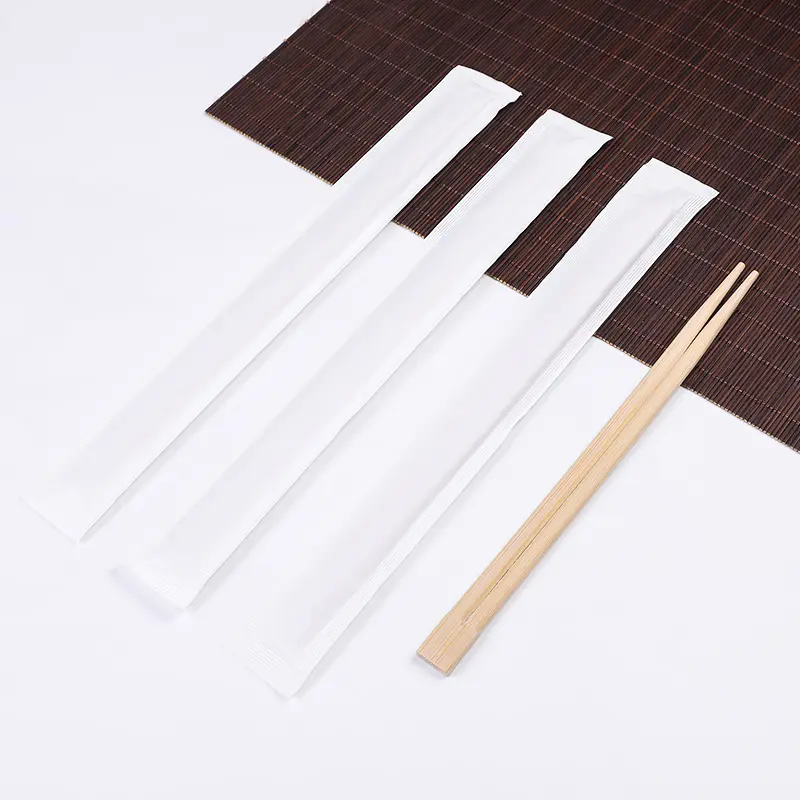
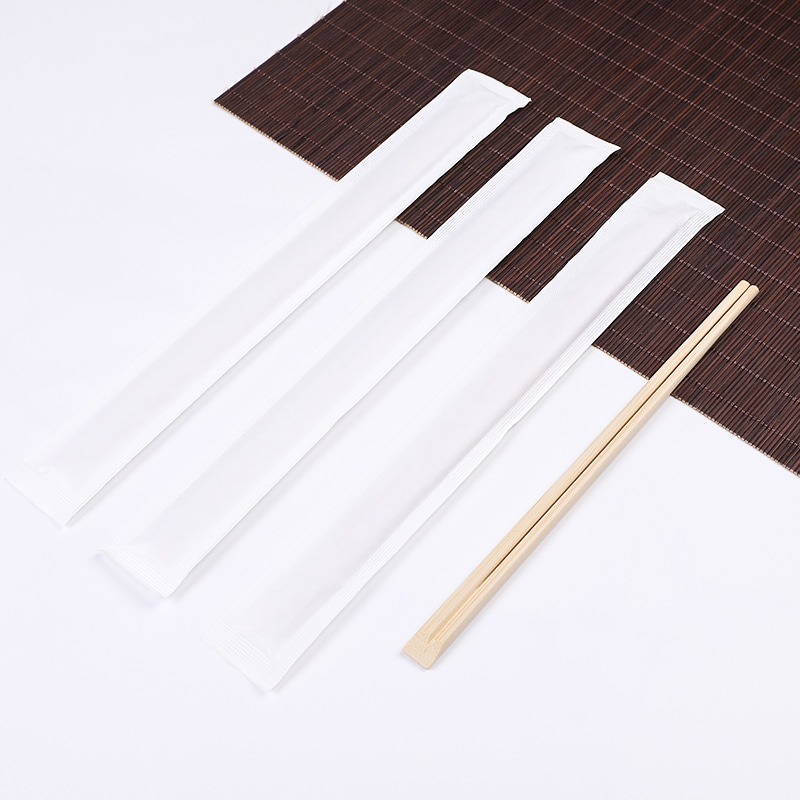
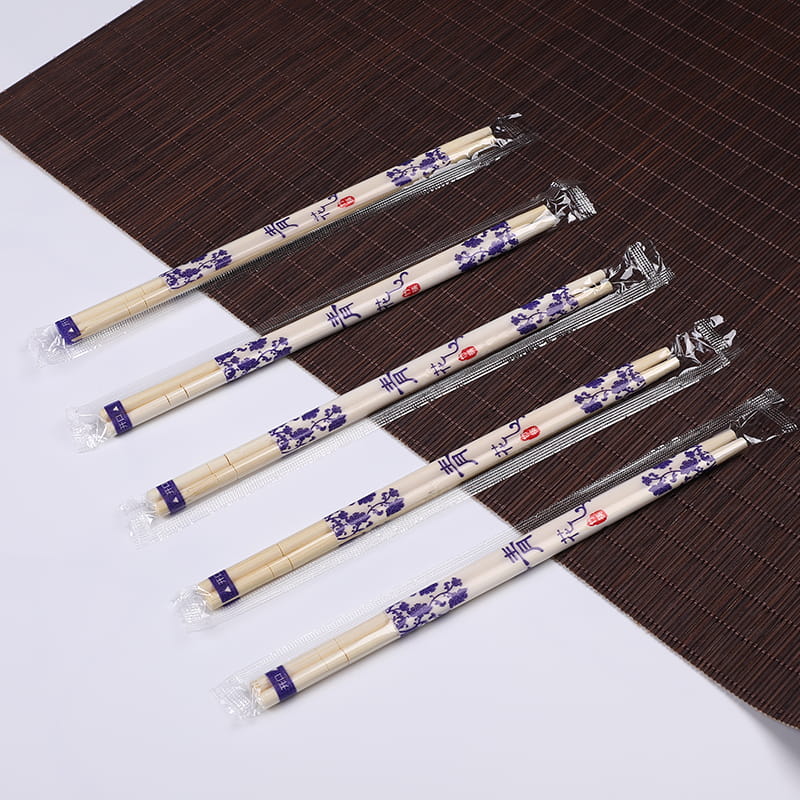
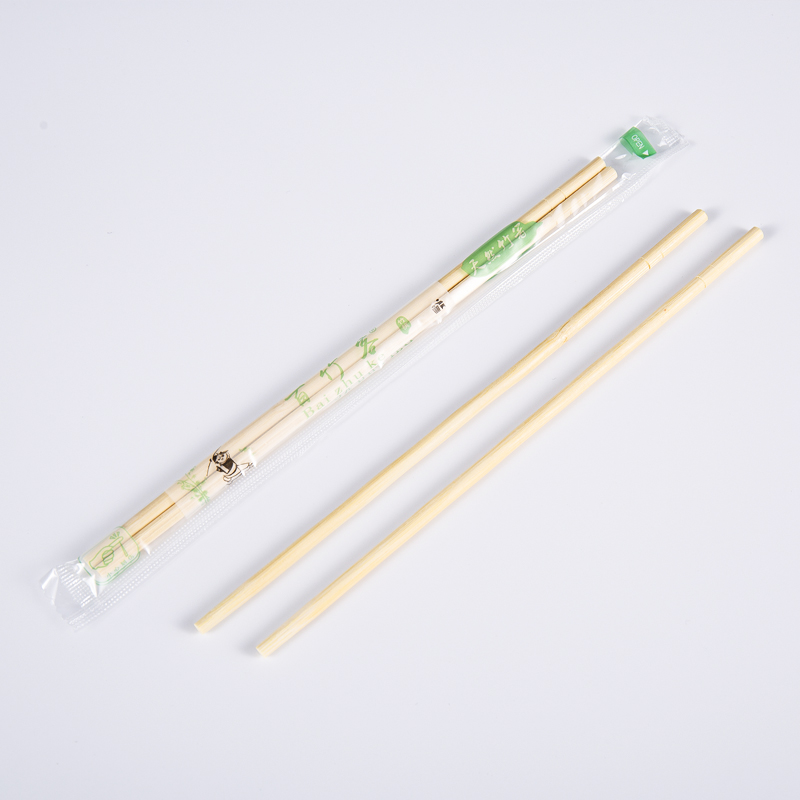
- Sealed Packaging: Individually wrapped pairs in sealed packages maintain hygiene.
- Factory Audits: Manufacturers with transparent, certified production lines are preferable.
The Environmental Impact and Sustainable Solutions
The environmental toll of disposable utensils is a major global issue. However, not all disposable chopsticks are created equal, and sustainable options are available.
The Reality of Deforestation and Waste
Traditional wooden disposable chopsticks contribute significantly to deforestation. Millions of trees are felled annually to meet global demand, leading to habitat loss and increased carbon emissions. Furthermore, used chopsticks often end up in landfills, where they slowly decompose and contribute to waste management problems. This stark reality drives the search for biodegradable disposable chopsticks wholesale options by eco-conscious businesses.
Bamboo as an Eco-Friendly Alternative
Bamboo presents a powerful solution to these environmental challenges. As a grass, it regrows from its roots after harvesting without needing replanting.
- Rapid Renewal: Harvest cycles of 3-5 years make it endlessly renewable.
- Soil Health: Bamboo root systems prevent soil erosion.
- Carbon Sequestration: Bamboo forests absorb more CO2 than many tree species.
Companies like Anji Aoli New Material Technology Co., Ltd. are committed to this green direction, striving to protect the ecological environment by producing disposable bamboo chopsticks that are fully biodegradable and compostable under proper conditions.
Choosing the Right Disposable Chopsticks for Your Business
For restaurant owners, caterers, or food service managers, selecting the right chopsticks involves balancing cost, quality, customer perception, and environmental responsibility.
Factors to Consider When Sourcing
Making an informed purchasing decision requires evaluating several key factors beyond just price.
| Factor | Consideration | Why It Matters |
|---|---|---|
| Material | Bamboo vs. Wood | Impacts sustainability, safety, and user feel. |
| Safety Certifications | FDA, SGS, or national food safety standards | Ensures product is free from harmful levels of chemicals and microbes. |
| Packaging | Individual paper sleeve vs. bulk pack | Affects hygiene, presentation, and waste. |
| Durability | Resistance to splitting or breaking | Improves customer experience and reduces waste from broken utensils. |
| Supplier Ethos | Commitment to green practices | Aligns with brand values and appeals to eco-aware customers. |
This evaluation is crucial for businesses looking for reliable disposable chopsticks bulk suppliers who can provide consistent quality and align with their operational values.
The Advantage of Sourcing from Specialized Producers
Partnering with a manufacturer that specializes in bamboo products offers distinct benefits. Anji Aoli New Material Technology Co., Ltd., for instance, utilizes advanced technology and high-quality natural bamboo from its rich local resources. This vertical integration from raw material to finished product allows for:
- Quality Control: Direct oversight ensures every pair meets strict standards.
- Cost Efficiency: Eliminating middlemen can make wholesale eco-friendly bamboo chopsticks more affordable.
- Innovation: Specialists are more likely to invest in greener production methods and product designs.
Future Trends and Consumer Awareness
The market for disposable chopsticks is evolving, driven by growing consumer awareness and regulatory pressures.
The Shift Towards Reusables and Hybrid Models
While disposables remain essential for hygiene and convenience in many settings, there is a noticeable trend towards reusable personal chopsticks made from materials like stainless steel or durable bamboo. For situations where disposables are necessary, the demand is shifting decisively towards certified sustainable and safe options. This is why understanding how to choose safe disposable chopsticks has become an important skill for both consumers and business buyers.
The Role of Certification and Transparency
Future growth will favor producers who offer transparency. Certifications for sustainable forestry (like FSC for wood) or organic processing, along with clear labeling about biodegradability, will become key differentiators. Manufacturers who openly communicate their production processes, source of materials, and environmental impact will build greater trust with a conscientious market.
Frequently Asked Questions (FAQ)
1. Are disposable chopsticks safe to use?
Yes, when sourced from reputable manufacturers who adhere to strict food safety standards. High-quality disposable chopsticks, particularly bamboo ones that are heat-sterilized without aggressive bleaching, are generally very safe. Always check for certifications and avoid products with a strong chemical odor.
2. What are the most environmentally friendly disposable chopsticks?
Biodegradable disposable chopsticks made from untreated bamboo are the most eco-friendly option. Bamboo is a rapidly renewable resource, and chopsticks made from it will break down naturally in composting environments, unlike plastic or heavily varnished alternatives.
3. How can I tell if chopsticks have been chemically bleached?
Visually, excessively white, uniform, or shiny chopsticks may be suspect. Give them a light sniff; a distinct sulfurous or sharp chemical smell indicates likely bleaching. Opt for brands with a natural, slightly off-white color and no odor, which typically use safer sterilization methods like steam.
4. Why choose bamboo over wood for disposable chopsticks?
Bamboo grows much faster than trees, making it a more sustainable and renewable material. It is also naturally denser and more antimicrobial than many woods, often requiring fewer chemical treatments during production, which aligns with concerns about disposable chopsticks safe from chemicals.
5. Where can businesses buy quality disposable chopsticks in bulk?
Businesses should look for specialized disposable chopsticks bulk suppliers or manufacturers with a focus on sustainable catering supplies. Prioritize suppliers who provide detailed information on material sourcing, production certifications, and environmental policies to ensure a responsible and reliable supply chain.